
Turkey in Winter — Why the Off-Season Is the Best Kept Secret
While most travellers flock to Turkey during the summer months, visiting Turkey in winter reveals a completely different — and equally magical — side of this incredible country. From snow-dusted fairy chimneys in Cappadocia to the atmospheric streets of Istanbul, winter in Turkey offers fewer crowds, lower prices, and unique experiences you simply cannot have at any other time of year. If you are considering a Turkey trip between November and March 2026, here is everything you need to know.
Cappadocia in Winter — A Fairy Tale Landscape
Cappadocia is magical in every season, but winter transforms this extraordinary landscape into something truly otherworldly. When snow blankets the fairy chimneys and valleys, the scenery looks like it belongs in a fantasy film. A hot air balloon ride over snow-covered Cappadocia is one of Turkey’s most unforgettable experiences — the contrast of colourful balloons against the white landscape is breathtaking. Balloon flights do operate in winter, though cancellations due to weather are more common, so plan for flexibility. The cosy cave hotels with fireplaces and heated rooms make the perfect winter retreat. Wine tasting in underground cellars and warming up with Turkish tea after a valley hike are quintessential winter Cappadocia moments.
Istanbul in Winter — Atmospheric and Uncrowded
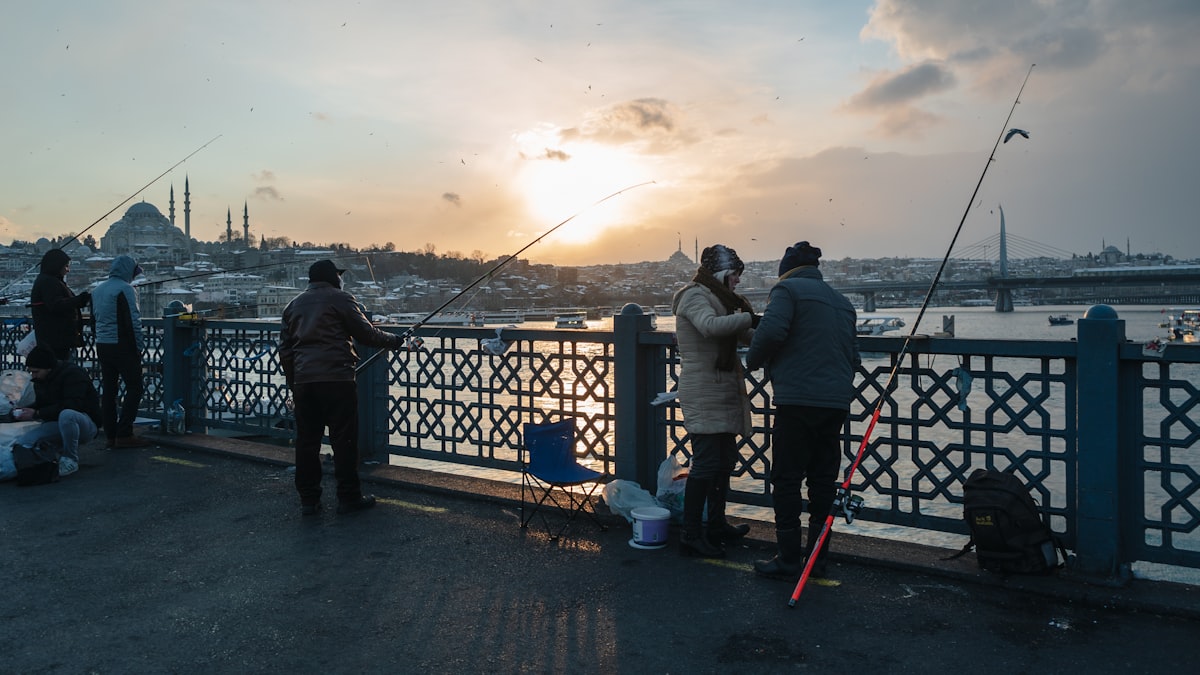
Istanbul in winter is a photographer’s dream. Misty mornings over the Bosphorus, the call to prayer echoing through fog-shrouded minarets, and the warm glow of the Spice Bazaar create an atmosphere that summer crowds never experience. Winter is the best time to visit the Hagia Sophia, Topkapi Palace, and the Grand Bazaar without the overwhelming queues. The city’s cafe culture comes alive in winter — warming up with Turkish coffee or sahlep (a traditional hot milk drink flavoured with orchid root) in a historic cafe is pure comfort. Istanbul’s restaurant scene is superb year-round, and winter menus feature hearty Ottoman cuisine, fresh fish from the Bosphorus, and rich desserts. Our Istanbul tours operate throughout the winter season.
Skiing in Turkey
Turkey has excellent ski resorts that most international travellers do not know about. Uludağ, near Bursa, is the most popular and easily accessible from Istanbul — just a few hours’ drive plus a cable car ride to the summit. Palandöken in Erzurum offers some of Turkey’s best powder snow and longest runs at elevations reaching 3,176 metres. Kartalkaya, between Istanbul and Ankara, is a favourite weekend destination with modern facilities. Ski season typically runs from December to March. Compared to European Alpine resorts, Turkish ski holidays cost a fraction of the price while offering excellent conditions and far fewer crowds. Lift passes, equipment rental, and accommodation are all remarkably affordable.
The Hammam Season
There is no better time to experience a traditional Turkish bath than during winter. The contrast of stepping from cold streets into a steaming marble hammam is pure bliss. Istanbul’s historic hammams like Çemberlitaş (built in 1584) and Kılıç Ali Paşa offer authentic experiences with skilled masseurs, hot marble platforms, and centuries of tradition. The kese (scrub) and foam massage leave you feeling reborn. In winter, the warmth and steam of the hammam are especially welcome, making this an essential winter Turkey experience. Many luxury hotels also offer premium hammam treatments with modern spa additions.
Pamukkale and Ephesus Without the Crowds
Two of Turkey’s most famous attractions — Pamukkale’s white terraces and the ancient city of Ephesus — are dramatically more pleasant in winter. During summer, Pamukkale can feel overcrowded, but in winter you may have entire sections of the travertine terraces to yourself. The thermal pools are naturally warm (around 36°C), so swimming in the antique pool surrounded by ancient columns while snow falls around you is an extraordinary experience. Ephesus in winter is equally special — walking the marble streets of this ancient Roman city without thousands of other visitors allows you to truly feel the history. The mild Aegean winter climate (10-15°C) is comfortable for sightseeing.
Winter Turkish Cuisine
Turkish cuisine shifts beautifully with the seasons. Winter brings hearty soups like tarhana (a fermented grain and yoghurt soup that has been made for centuries), lentil soup served with a squeeze of lemon, and rich bone broths. Warming dishes like mantı (Turkish dumplings with yoghurt and garlic butter), kuzu tandır (slow-roasted lamb), and güveç (clay pot stews) are winter staples. Street vendors sell roasted chestnuts and boza, a thick fermented drink unique to the cold months. Turkish breakfast becomes even more appealing in winter — imagine sitting in a warm cafe with fresh bread, local cheeses, olives, eggs, and endless glasses of tea while watching snowflakes drift past the window.
Lower Prices and Better Value
Winter is Turkey’s off-season (except for ski resorts), which means significantly lower prices across the board. Hotel rates drop by 30-50% compared to summer peak season. Flights are cheaper, and domestic travel is more affordable. You will also find better availability at the most popular restaurants, hammams, and tour experiences. Our Turkey trip cost guide shows typical expenses, but expect to save substantially by visiting in the winter months. The overall cost of a Turkey trip in winter represents exceptional value for money.
What to Pack for Winter in Turkey
Winter temperatures vary significantly by region. Istanbul averages 5-10°C with rain and occasional snow. Eastern Turkey and Cappadocia can drop well below freezing with heavy snowfall. The Aegean and Mediterranean coasts stay milder at 10-15°C. Pack a warm waterproof coat, layers (thermal base layers are recommended for Cappadocia and eastern Turkey), a warm hat and gloves, and waterproof boots with good grip for potentially icy or wet cobblestones. Check our complete Turkey packing list and what to wear guide for detailed clothing advice by season and region.
Plan Your Winter Turkey Adventure
Winter is one of the best times to visit Turkey if you want authentic experiences without the crowds. Our guided tours operate year-round, including specialised winter Cappadocia packages and multi-destination itineraries designed for the cooler months. Contact our travel team to plan your unforgettable winter Turkey trip in 2026.
